You may have heard of obsessive-compulsive disorder, but did you know cats can have forms of this disorder too? Obsessive-compulsive behaviors in cats may mean your cat has obsessive-compulsive disorder. However, the behaviors may actually be secondary to other health or behavioral issues.
Commonly abbreviated as OCD, obsessive-compulsive disorder is a behavioral disorder that causes a cat to engage in certain "rituals" for seemingly no good reason. These are generally abnormal, repetitive, and exaggerated behaviors that do not seem to serve a practical purpose.
There is no specific known cause of feline OCD, but it does seem more prevalent in certain cat breeds. Feline OCD may be genetic, but this is uncertain.
Cats with OCD will exhibit one or more obsessive-compulsive behaviors. Some cats will have several abnormal behaviors, while others will only show one primary obsessive-compulsive behavior.
All of these behaviors can start out as normal occasional activities for your cat. Or, the behaviors may be triggered by environmental or physical situations. Over time, the behaviors may become fixed, no longer needing external triggers to begin. Obsessive-compulsive behaviors may be reinforced by pain-relieving and pleasure-inducing chemicals in the brain. The behaviors may even become a coping mechanism for a cat in a stressful situation or a cat with anxiety.
OCD cannot be diagnosed with a specific test. Usually, the pattern of behavior is enough to suspect OCD. However, it is important to rule out other causes of the behavior before making a diagnosis. If your cat is exhibiting obsessive-compulsive behaviors, see your veterinarian first.
To diagnose OCD in cats, the veterinarian will first need to rule out medical causes of your cat's behaviors. For example, overgrooming may be related to a skin problem. Your vet will ask several questions about your cat's history and behavior. It may be helpful to show the vet a video of your cat engaging in abnormal behaviors. A physical examination will be performed to look for abnormalities. The vet may also recommend lab testing to rule out problems that can't be detected with an examination only.
If all testing comes back normal, your vet may still decide that your cat does indeed have OCD. The vet will discuss treatment options with you. In serious cases, your vet may refer you to a veterinary behaviorist.
There is no known cure for OCD, but there are some treatments that can reduce or even eliminate the signs.
First of all, do your best not to soothe, comfort, or reward your cat when she exhibits obsessive-compulsive behaviors. Doing so may reinforce the behaviors, making your cat do them even more. Instead, focus on keeping a predictable schedule for your cat. Following a solid daily routine can give your cat reassurance and reduce stress.
Nutritional supplements or natural remedies may be recommended by your vet to help reduce your cat's stress level. These may be used with or without prescription medications, depending on the severity of your cat's OCD. Calming supplements may include tryptophan, L-Theanine, vitamins, and herbs.
Some vets have even begun to recommend hemp-based CBD (cannabidiol) in pets with anxiety. Note that this is NOT marijuana-based, as that can be toxic to cats.
Prescription medications are commonly needed for cats with moderate to severe OCD. These drugs alter brain chemistry to reduce stress and change the pattern of disordered behaviors.
If your cat suffers from OCD, be sure to stay in touch with your vet about your cat's progress. Do not change or stop medications without discussing it with your vet first. Know that treatment protocols may need to be periodically adjusted. Be sure to let your vet know right away if there is a change in your cat's behavior.

Can Cats Eat Salami?
The inspiration for a popular series of memes, the answer to "can cats have salami?" is yes--but only in small amounts.
Can Cats Have Raw Eggs?
Eggs are known to be a protein-packed breakfast staple in American homes. Can your cat eat raw eggs? Here's your answer.
What You Need to Know About Homemade Cat Food
If you want to cook for your cat, make sure to read about the risks associated with homemade diets for cats
Can Cats Eat Tomatoes?
Tomatoes are a healthy snack for humans but should mostly be avoided for our feline friends.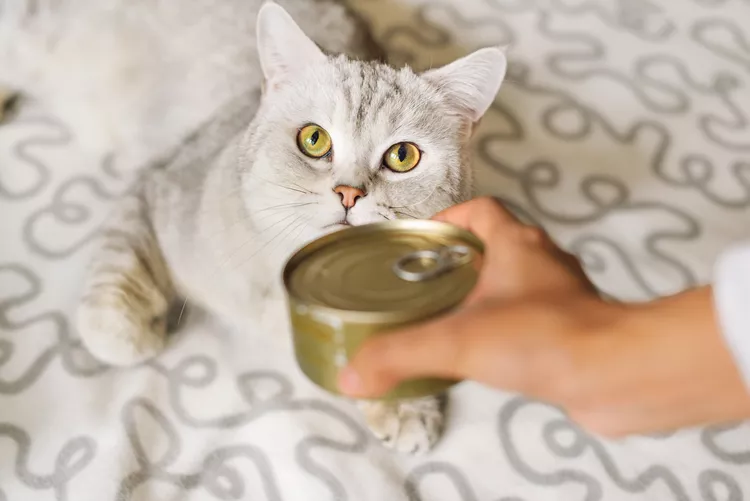
How Long Can You Safely Leave Canned Cat Food Out?
You cannot safely leave canned cat food out all day. Twenty to 30 minutes is the max, so give smaller portions and reheat food for later feedings.
What Cat Food Ingredients Should I Look For?
A concerned reader asks about the best ingredients to look for in cat food. This detailed answer gives the must-have ingredients for canned and dry foods.
Can Dogs Eat Raw Chicken Feet?
What are the potential health benefits of chicken feet for dogs? What are the risks?
8 Halloween Safety Tips for Pets
The spooky holiday can be overstimulating and even dangerous for pets. Here's how to avoid the problems caused by toxic candy and incessant doorbells.
Lupus in Dogs
Lupus is a type of autoimmune disease that affects the tissues of a dog. Learn the two types of lupus, causes, treatment, and prevention.
Tea Tree Oil for Fleas: Safety and Effectiveness
Tea tree oil is sometimes used for fleas on dogs and cats. The use of this essential oil has grown in popularity for both people and pets. Find out if tea tree oil is safe and effective against fleas.
Using Pimobendan (Vetmedin) for Cats with Heart Failure
Pimobendan (Vetmedin) is a commonly prescribed heart medication. Learn about what it does and when it is prescribed.
Pneumonia in Dogs
Pneumonia is a serious condition that can affect the lungs of a dog. Learn the causes, treatment, and prevention. Find out how to help a dog with pneumonia at home.
10 Tips for Taking Care of a Senior Dog
Is your dog a senior? Changes to their diet, exercise, and care are required. Here's how to make sure they're living their best and healthiest life.
Common Bugs and Parasites Found on and Inside Dogs
Learn about common types of parasites in dogs. Find out how to treat and prevent parasites to keep your dog, your family, and yourself safe.
Cats and Obsessive Compulsive Behaviors
Can cats have OCD? Learn about obsessive-compulsive disorder in cats. Find out how to manage your cat's obsessive-compulsive behaviors.
Cat Bunting Behavior: What Does It Mean?
Cats rub their heads against prominent objects to leave scent markings as a part of scent communication.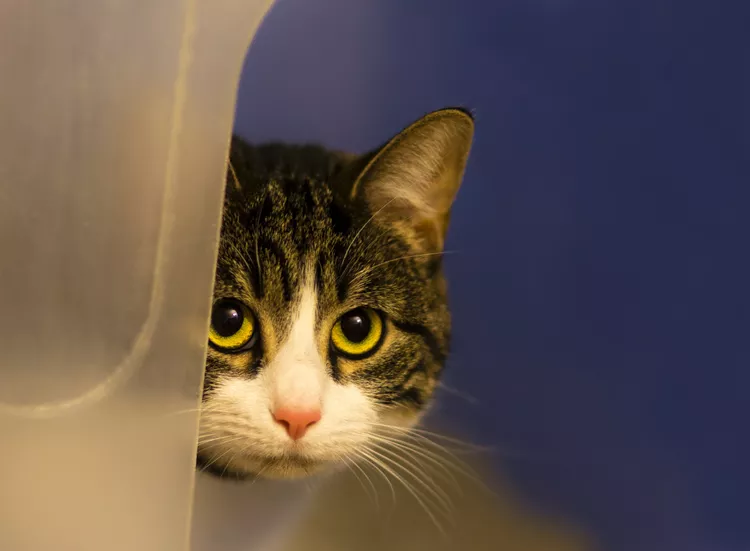
How to Train Your Cat to Eliminate Fear Aggression
Fear aggression can be a serious issue in some felines. Learn about cat aggression, how to prevent cat attacks, and how to soothe fear aggression.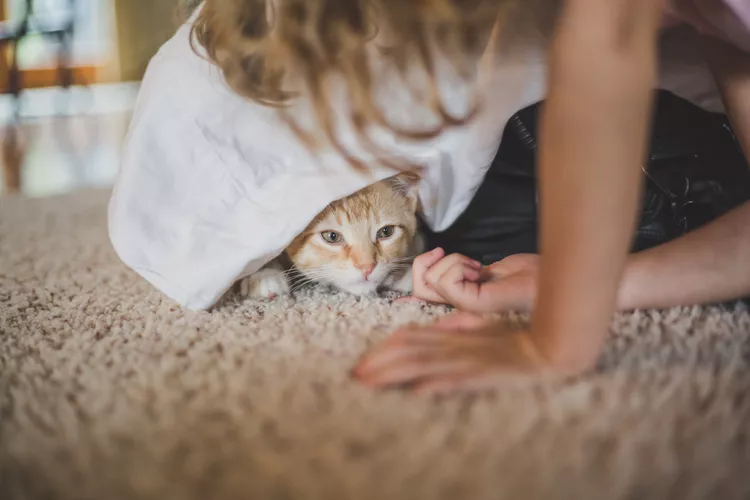
Is Your Cat Scared of People?
If your cat is scared of visitors, it may be hard to have friends come over. Try these tips to ease your cat's worries and get it used to strangers.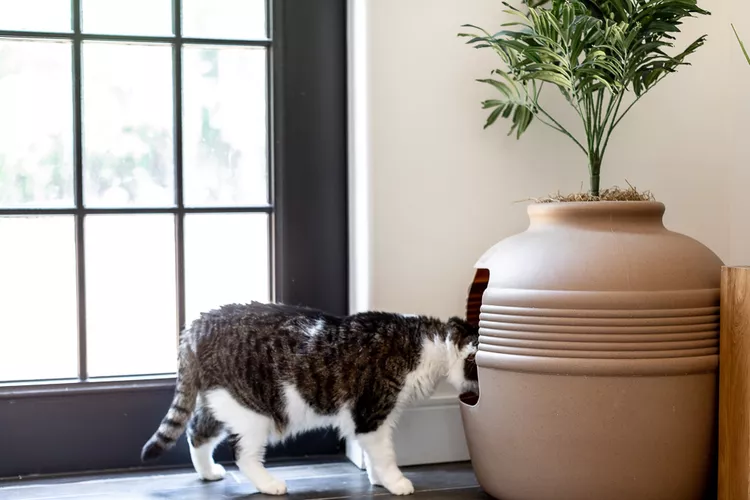
Where Should I Put the Litter Box?
Where should you put the litter box? Learn more about the best location to place the cat's litter box, and other factors you should consider.
Here's Why Cats Groom Themselves
Learn all about cats' grooming habits: how and why cats groom, including mutual grooming, over-grooming, and displacement grooming!