
Lupus is a disease that affects the immune system of a dog by attacking its tissues. There are two types of lupus, and one of them, systemic lupus erythematosus (SLE) can be a frightening disease due to the variety of life-threatening symptoms it can cause. Because of this, it's important for a dog owner to be familiar with SLE and how it is treated.
Lupus is an autoimmune (when the body's immune system mistakes its own healthy tissues as foreign and attacks them) or immune-mediated disease (conditions that result from abnormal activity of the immune cells). There are two main types of lupus seen in dogs—systemic lupus erythematosus and the less challenging discoid lupus erythematosus (DLE). Other species, including humans, can also develop lupus, but it is not contagious.
Discoid lupus erythematosus is also known as cutaneous or facial lupus erythematosus and there are also various forms of DLE that affect the skin, nasal planum, and mucous membranes or gums of dogs. A dog will have DLE when the immune system attacks a layer of the cells within the skin to cause the problem. It is not as problematic to a dog as SLE, however.
Systemic lupus erythematosus, on the other hand, affects more than just the external tissues of a dog. SLE attacks the internal tissues and therefore affects multiple body systems and functions. It can vary from dog to dog depending on what part of the body the immune system is attacking but can affect various organs, muscles, the skin, glands, and more.
Systemic lupus erythematosus can cause an array of symptoms since it can affect so many different parts of the body. The symptoms can slowly or suddenly appear in dogs and the severity of signs also fluctuate over time. With DLE, the only real symptom is the crusting over and scabbing of the skin around the nose and possibly other parts of the skin with disc-shaped patches. Symptoms of SLE can include the following:
Lethargy and a decrease in appetite may be seen due to the overall discomfort and general unwell feeling in dogs with lupus.
Lupus can also cause muscle pain which results in a dog limping and crying when attempting to stand or walk. The limping can switch between legs since the muscle pain is often in more than one place and an attempt to pet a dog's leg that has lupus may even result in a dog crying if it is hurting enough.
Skin and fur changes are often seen in dogs with lupus. Thinning of the fur and skin, fur loss, a decrease in pigmentation of the skin (a symptom which may also happen with the onset of DLE), and even skin redness can occur.
Many dogs also experience ulcerations on the skin and at the corners of the mouth.
The dog's dysfunctional immune system may cause enlarged lymph nodes in the neck, armpits, and other regions that can be seen or felt in a dog with systemic lupus erythematosus.
The muscles also may appear to atrophy, then shrink and waste over time resulting in muscle atrophy.
The cause of both types of lupus is unknown. With DLE, the triggers that worsen the condition seem to be exposure to ultraviolet (UV) light and cigarette smoke. Medium to large breeds are more susceptible to DLE, including the following dogs:
Numerous causes of SLE have been suspected and include genetic factors, physiologic, and even environmental factors. Though SLE is somewhat rare in dogs, some medium to large breeds seem to be prone to developing SLE at around five years of age, including:
DLE requires a skin biopsy. But, SLE can be very difficult to diagnose due to the varied presentation of symptoms. A veterinarian will begin by performing the following exams and tests for SLE:
For DLE, topical treatments are usually used unless severe symptoms require more aggressive systematic medicines. But caring for systemic lupus erythematosus can require various tactics. Special diets, supplements, and treatments may be recommended depending on the specific symptoms being experienced by each lupus patient. Your vet will likely prescribe the following treatments and/or medications to manage the symptoms and suppress the dog's immune system:
The long-term outcome for dogs with DLE is good, but a prognosis for a dog with SLE is difficult to assess with any certainty. Dogs with DLE may need continuous treatment and symptoms may come and go, but your pet can live a normal life.
SLE is progressive and requires lifelong treatment to keep the immune response suppressed. However, suppressing an animal's immune system can have side effects that can also cause serious problems with your dog's health.
Since there may be some genetic factors that can cause lupus, dogs that have been diagnosed with systemic lupus should not be used for breeding. Some veterinarians recommend supporting the immune system with various supplements or being careful not to overstimulate the immune system with too many medications or vaccinations at one time or for prolonged periods but there is no definitive prevention plan for lupus.

Can Cats Eat Salami?
The inspiration for a popular series of memes, the answer to "can cats have salami?" is yes--but only in small amounts.
Can Cats Have Raw Eggs?
Eggs are known to be a protein-packed breakfast staple in American homes. Can your cat eat raw eggs? Here's your answer.
What You Need to Know About Homemade Cat Food
If you want to cook for your cat, make sure to read about the risks associated with homemade diets for cats
Can Cats Eat Tomatoes?
Tomatoes are a healthy snack for humans but should mostly be avoided for our feline friends.
How Long Can You Safely Leave Canned Cat Food Out?
You cannot safely leave canned cat food out all day. Twenty to 30 minutes is the max, so give smaller portions and reheat food for later feedings.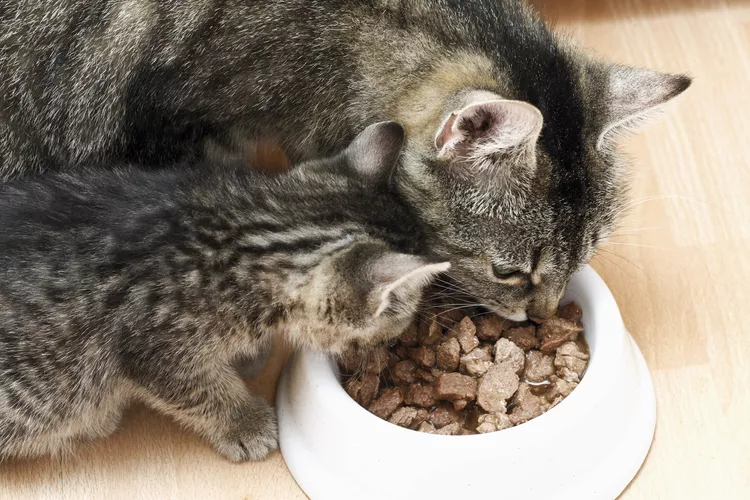
What Cat Food Ingredients Should I Look For?
A concerned reader asks about the best ingredients to look for in cat food. This detailed answer gives the must-have ingredients for canned and dry foods.
Can Dogs Eat Raw Chicken Feet?
What are the potential health benefits of chicken feet for dogs? What are the risks?
8 Halloween Safety Tips for Pets
The spooky holiday can be overstimulating and even dangerous for pets. Here's how to avoid the problems caused by toxic candy and incessant doorbells.
Lupus in Dogs
Lupus is a type of autoimmune disease that affects the tissues of a dog. Learn the two types of lupus, causes, treatment, and prevention.
Tea Tree Oil for Fleas: Safety and Effectiveness
Tea tree oil is sometimes used for fleas on dogs and cats. The use of this essential oil has grown in popularity for both people and pets. Find out if tea tree oil is safe and effective against fleas.
Using Pimobendan (Vetmedin) for Cats with Heart Failure
Pimobendan (Vetmedin) is a commonly prescribed heart medication. Learn about what it does and when it is prescribed.
Pneumonia in Dogs
Pneumonia is a serious condition that can affect the lungs of a dog. Learn the causes, treatment, and prevention. Find out how to help a dog with pneumonia at home.
10 Tips for Taking Care of a Senior Dog
Is your dog a senior? Changes to their diet, exercise, and care are required. Here's how to make sure they're living their best and healthiest life.
Common Bugs and Parasites Found on and Inside Dogs
Learn about common types of parasites in dogs. Find out how to treat and prevent parasites to keep your dog, your family, and yourself safe.
Cats and Obsessive Compulsive Behaviors
Can cats have OCD? Learn about obsessive-compulsive disorder in cats. Find out how to manage your cat's obsessive-compulsive behaviors.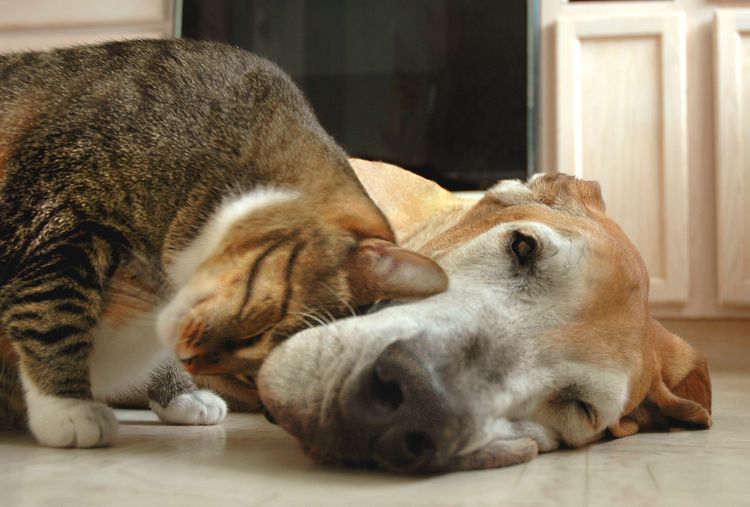
Cat Bunting Behavior: What Does It Mean?
Cats rub their heads against prominent objects to leave scent markings as a part of scent communication.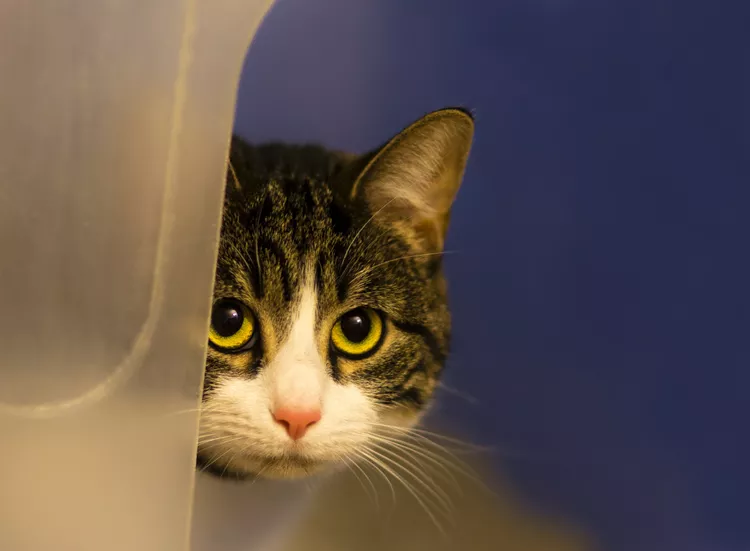
How to Train Your Cat to Eliminate Fear Aggression
Fear aggression can be a serious issue in some felines. Learn about cat aggression, how to prevent cat attacks, and how to soothe fear aggression.
Is Your Cat Scared of People?
If your cat is scared of visitors, it may be hard to have friends come over. Try these tips to ease your cat's worries and get it used to strangers.
Where Should I Put the Litter Box?
Where should you put the litter box? Learn more about the best location to place the cat's litter box, and other factors you should consider.
Here's Why Cats Groom Themselves
Learn all about cats' grooming habits: how and why cats groom, including mutual grooming, over-grooming, and displacement grooming!