Do you wish you could work for a pet-friendly company and bring your dog, cat, bird, reptile, or other pet with you to work every day? Many companies have adopted pet-friendly policies, from small businesses to large corporations. If your company isn't currently pet-friendly, you might be able to talk to your company's management team about allowing pets at work.
Research shows that pet-friendly workplaces lead to happier and more productive employees who stay with their companies longer. In light of these revelations, more and more companies are adopting pet-friendly policies, ranging from occasional bring-your-pet-to-work days to open access for pets every day.
Many studies have explored the practice allowing workers to bring their pets to the office. Pet-friendly policies that allow pets in the office regularly or occasionally offer many benefits for both employees and employers. According to a study conducted by Nationwide and the Human Animal Bond Research Institute (HABRI), employees who work for pet-friendly companies:
Many different types of companies have adopted pet-friendly policies, from small workplaces to large corporations. A lot of pet-focused companies are pet-friendly, but many regular companies have also made pet-friendliness a priority. Pet-friendly policies might include allowing pets at work and offering time off to bond with a new pet, bereavement for the loss of a pet, stipends for pet supplies, and pet insurance through the company.
Some general types of pet-friendly workplaces include some pet-supply stores, pet groomers, veterinary offices, pet insurance providers, doggie day care facilities, and pet product manufacturers. If you’re looking for a new job and want to find a pet-friendly companies, Rover maintains a ranked list of dog-friendly companies. Some of the most dog-friendly companies include:
If the company you work for doesn’t currently allow pets, talk to management about introducing a pet-friendly policy in your workplace. Present the benefits of pets at work, and offer to help create guidelines.
For instance, most pet-friendly companies require pets to be healthy, fully vaccinated and potty trained, and ask employees to fill out an application prior to bringing their pet to work. Policies can include the rules employees must follow. For instance, pets might be required to be on a leash, in a crate, or behind a pet gate when in the office, and employees might not be permitted to leave their pets unattended at any time.
Pet-friendly guidelines might also detail specific disciplinary action for disruptive pets, such as a three-strikes rule followed by temporary or permanent expulsion. Most pet-friendly workplaces also have a strict no-biting policy.
Consider the office space and work with management to identify outdoor potty areas and places where pets are or are not allowed indoors (for example, the cafeteria might be a human-only area).
Management might want to survey the staff to see if a pet-friendly workplace is something the majority wants before launching any new policies.
If you work for a pet-friendly company, it’s important that you are responsible, courteous, and respectful of your coworkers, especially those who might not appreciate pets in the office. If pets become a nuisance to others, management might decide to eliminate the program.
Some best practices for pet owners who bring their pets to the office include:
Finally, consider your pet’s individual temperament. It should go without saying that reactive pets do not belong at work. But some pets simply do not enjoy being in an office environment. If your pet is scared, nervous, or withdrawn at work, or if they are overexcited, it might be best to leave them at home.

Can Cats Eat Salami?
The inspiration for a popular series of memes, the answer to "can cats have salami?" is yes--but only in small amounts.
Can Cats Have Raw Eggs?
Eggs are known to be a protein-packed breakfast staple in American homes. Can your cat eat raw eggs? Here's your answer.
What You Need to Know About Homemade Cat Food
If you want to cook for your cat, make sure to read about the risks associated with homemade diets for cats
Can Cats Eat Tomatoes?
Tomatoes are a healthy snack for humans but should mostly be avoided for our feline friends.
How Long Can You Safely Leave Canned Cat Food Out?
You cannot safely leave canned cat food out all day. Twenty to 30 minutes is the max, so give smaller portions and reheat food for later feedings.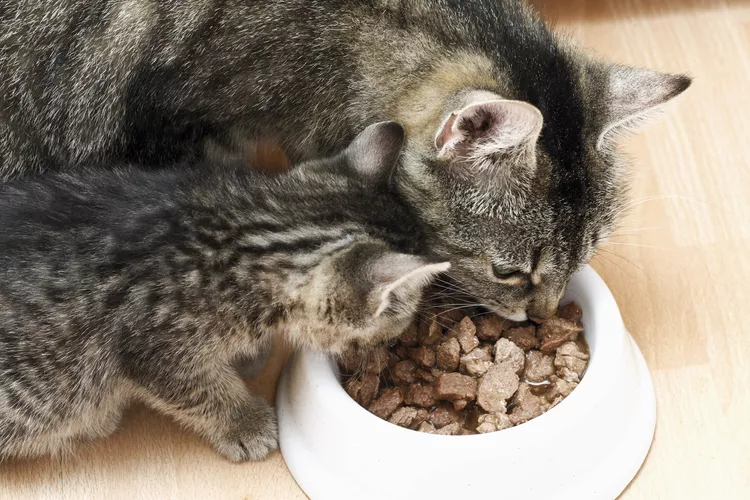
What Cat Food Ingredients Should I Look For?
A concerned reader asks about the best ingredients to look for in cat food. This detailed answer gives the must-have ingredients for canned and dry foods.
Can Dogs Eat Raw Chicken Feet?
What are the potential health benefits of chicken feet for dogs? What are the risks?
8 Halloween Safety Tips for Pets
The spooky holiday can be overstimulating and even dangerous for pets. Here's how to avoid the problems caused by toxic candy and incessant doorbells.
Lupus in Dogs
Lupus is a type of autoimmune disease that affects the tissues of a dog. Learn the two types of lupus, causes, treatment, and prevention.
Tea Tree Oil for Fleas: Safety and Effectiveness
Tea tree oil is sometimes used for fleas on dogs and cats. The use of this essential oil has grown in popularity for both people and pets. Find out if tea tree oil is safe and effective against fleas.
Using Pimobendan (Vetmedin) for Cats with Heart Failure
Pimobendan (Vetmedin) is a commonly prescribed heart medication. Learn about what it does and when it is prescribed.
Pneumonia in Dogs
Pneumonia is a serious condition that can affect the lungs of a dog. Learn the causes, treatment, and prevention. Find out how to help a dog with pneumonia at home.
10 Tips for Taking Care of a Senior Dog
Is your dog a senior? Changes to their diet, exercise, and care are required. Here's how to make sure they're living their best and healthiest life.
Common Bugs and Parasites Found on and Inside Dogs
Learn about common types of parasites in dogs. Find out how to treat and prevent parasites to keep your dog, your family, and yourself safe.
Cats and Obsessive Compulsive Behaviors
Can cats have OCD? Learn about obsessive-compulsive disorder in cats. Find out how to manage your cat's obsessive-compulsive behaviors.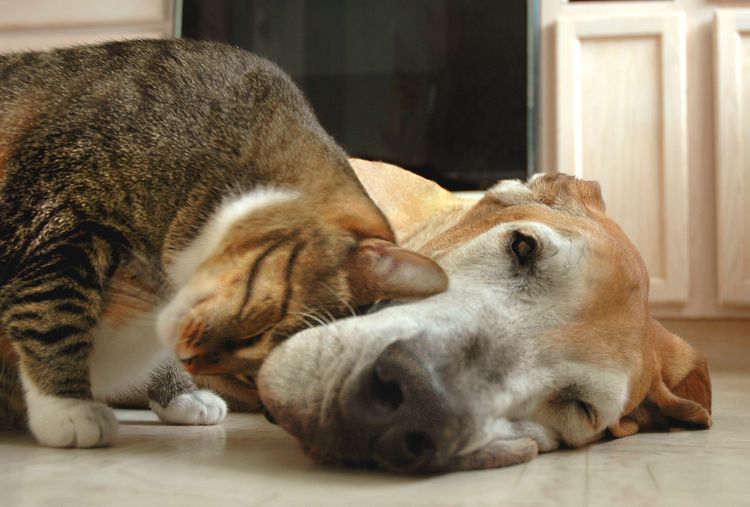
Cat Bunting Behavior: What Does It Mean?
Cats rub their heads against prominent objects to leave scent markings as a part of scent communication.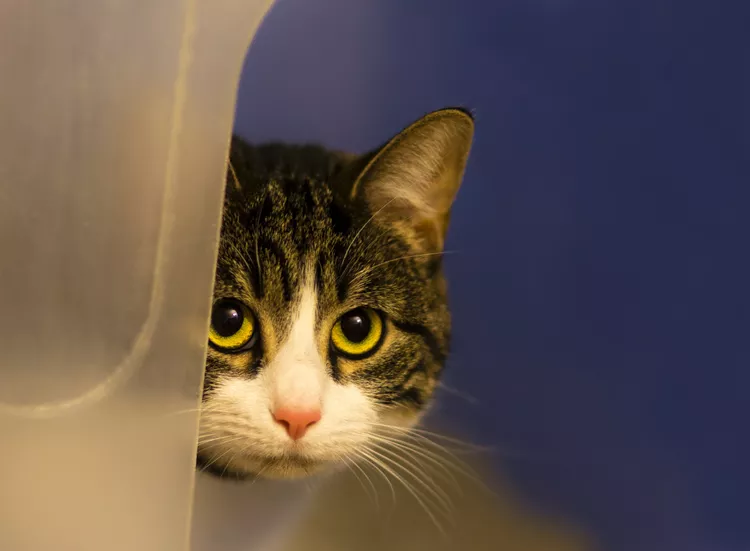
How to Train Your Cat to Eliminate Fear Aggression
Fear aggression can be a serious issue in some felines. Learn about cat aggression, how to prevent cat attacks, and how to soothe fear aggression.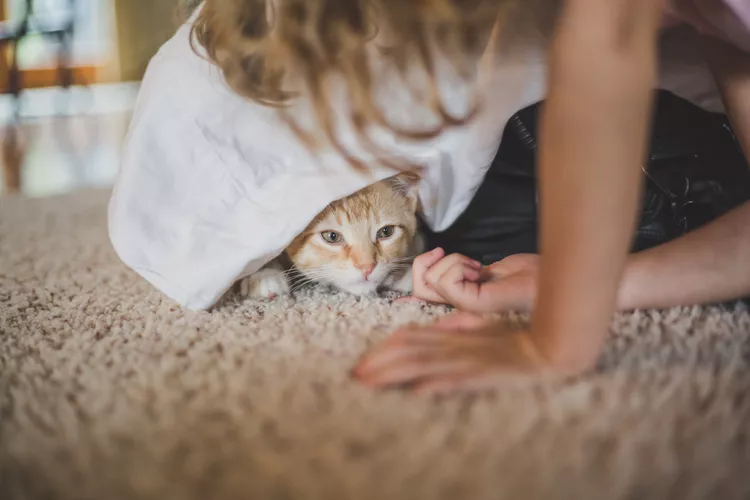
Is Your Cat Scared of People?
If your cat is scared of visitors, it may be hard to have friends come over. Try these tips to ease your cat's worries and get it used to strangers.
Where Should I Put the Litter Box?
Where should you put the litter box? Learn more about the best location to place the cat's litter box, and other factors you should consider.
Here's Why Cats Groom Themselves
Learn all about cats' grooming habits: how and why cats groom, including mutual grooming, over-grooming, and displacement grooming!